

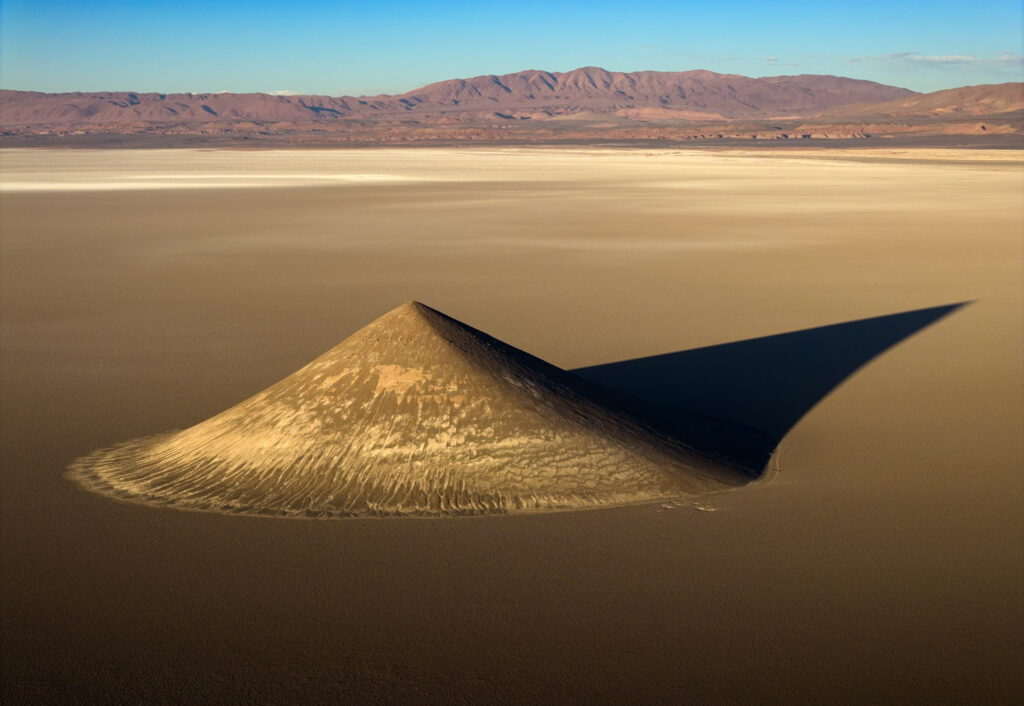
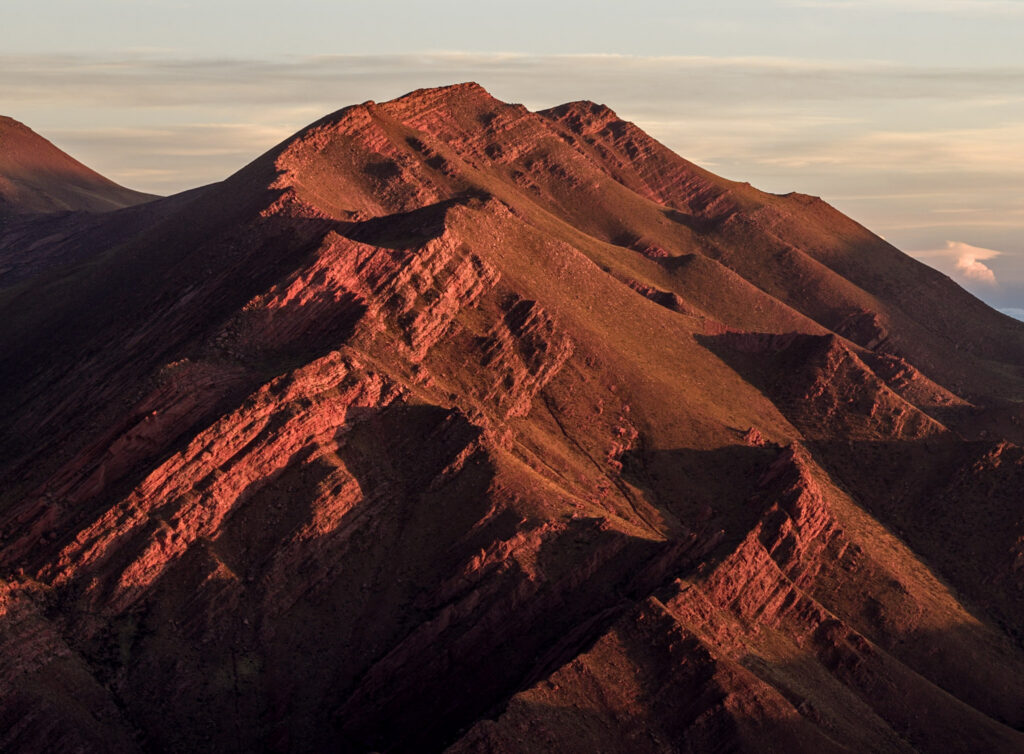
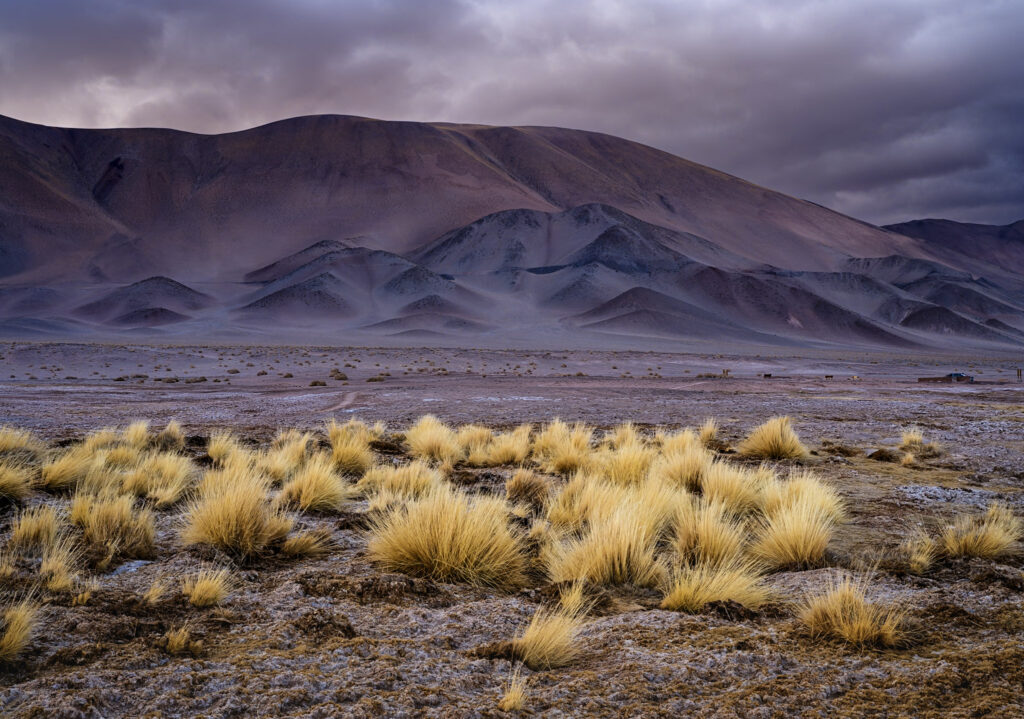
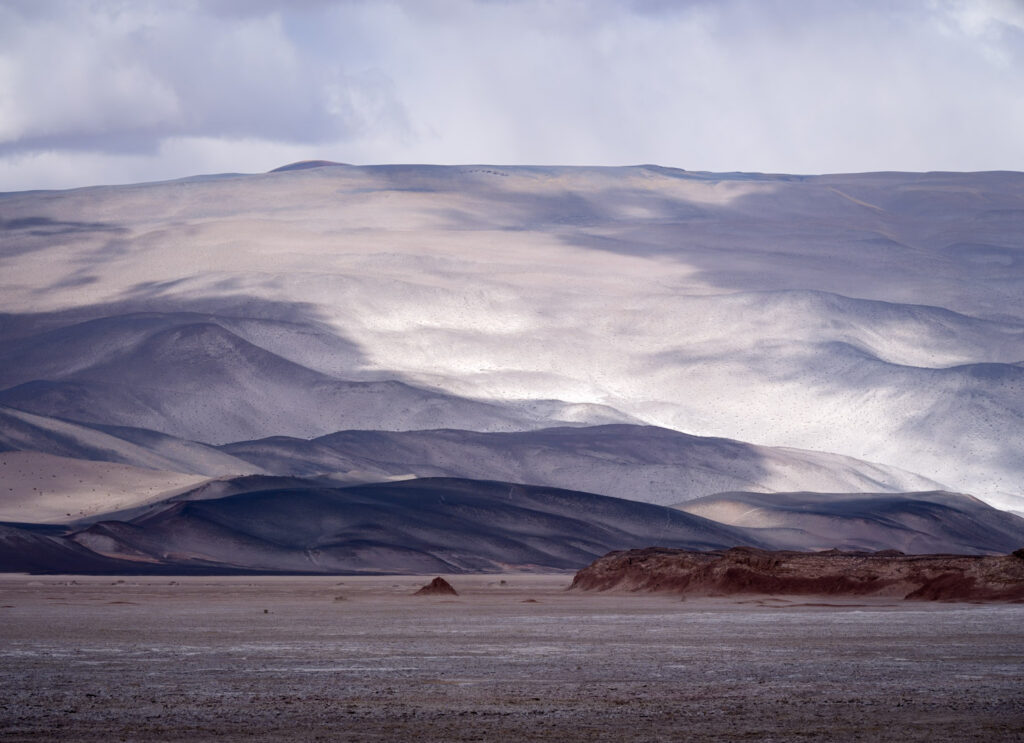
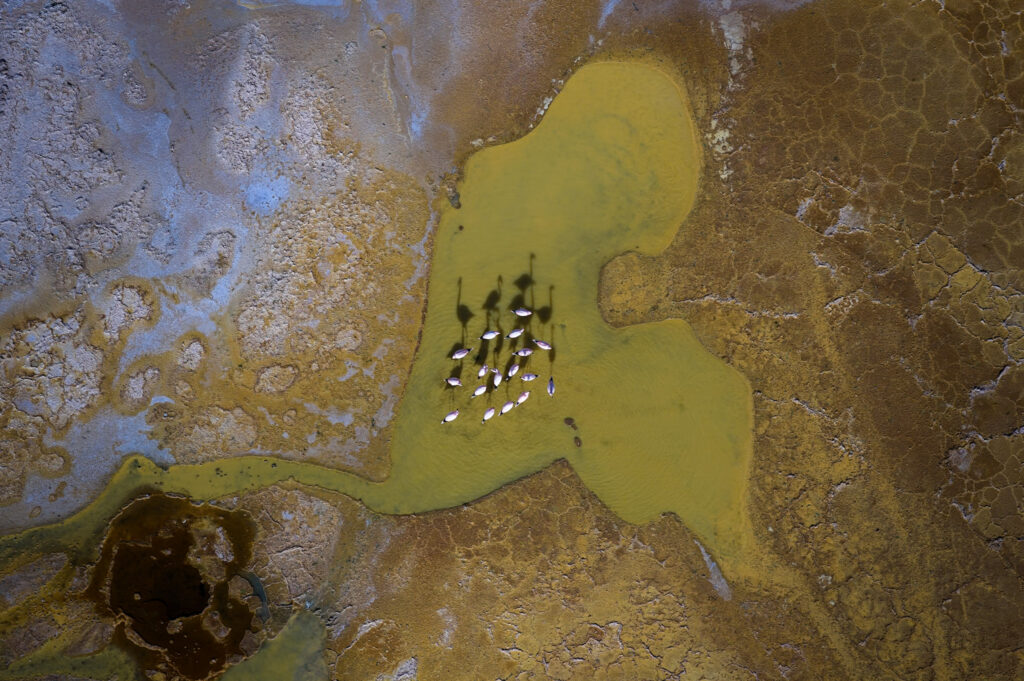
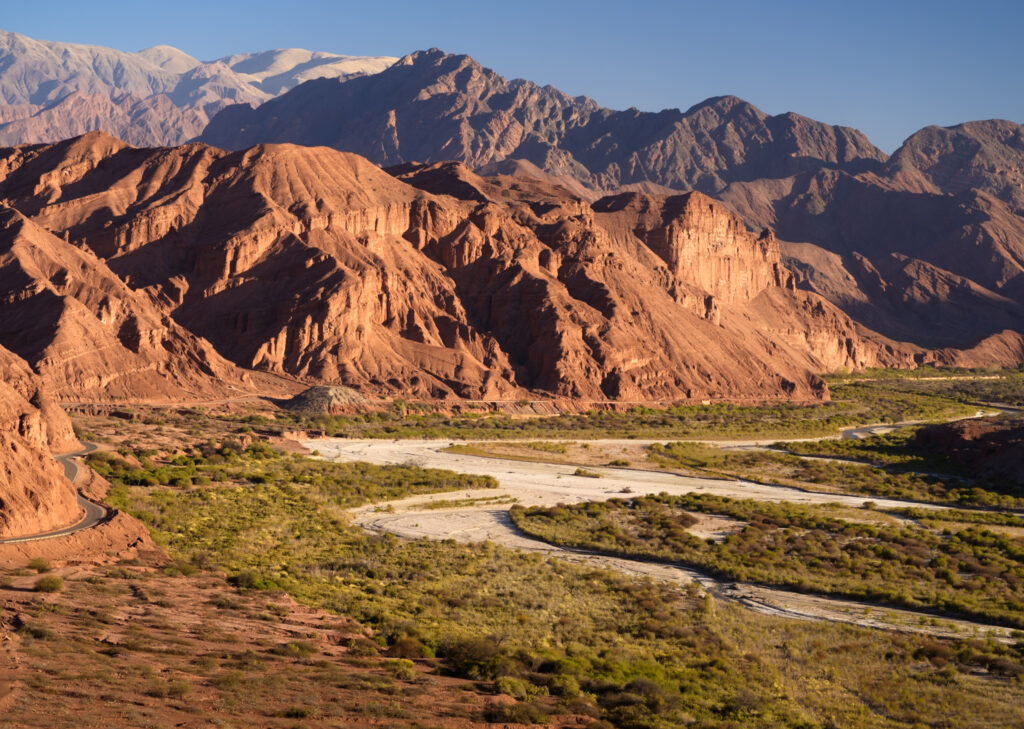
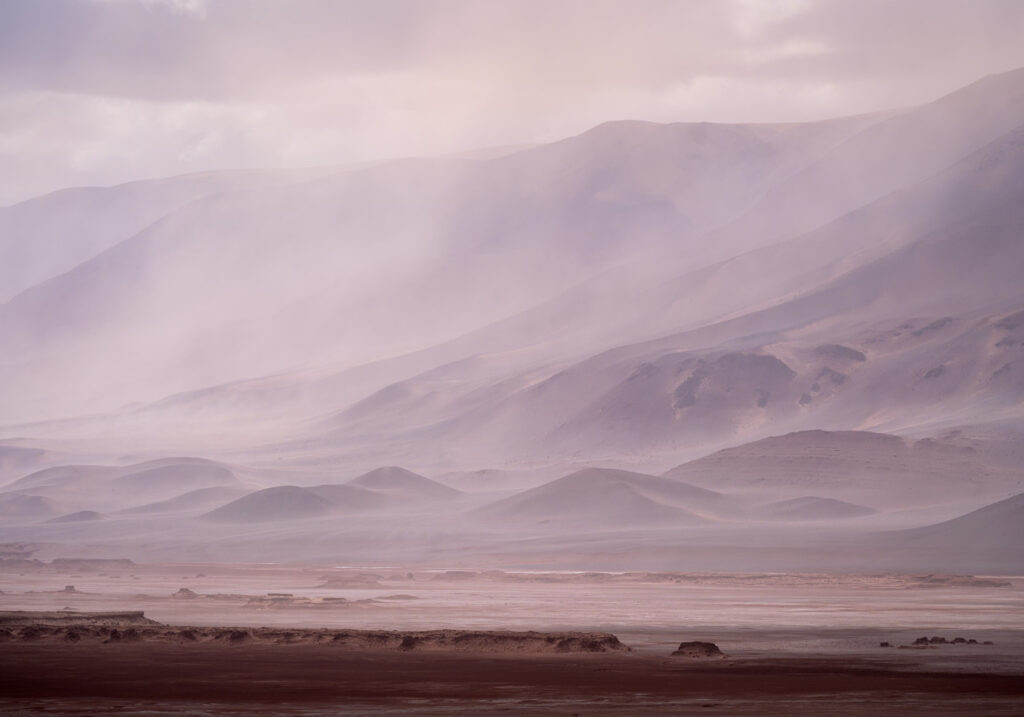
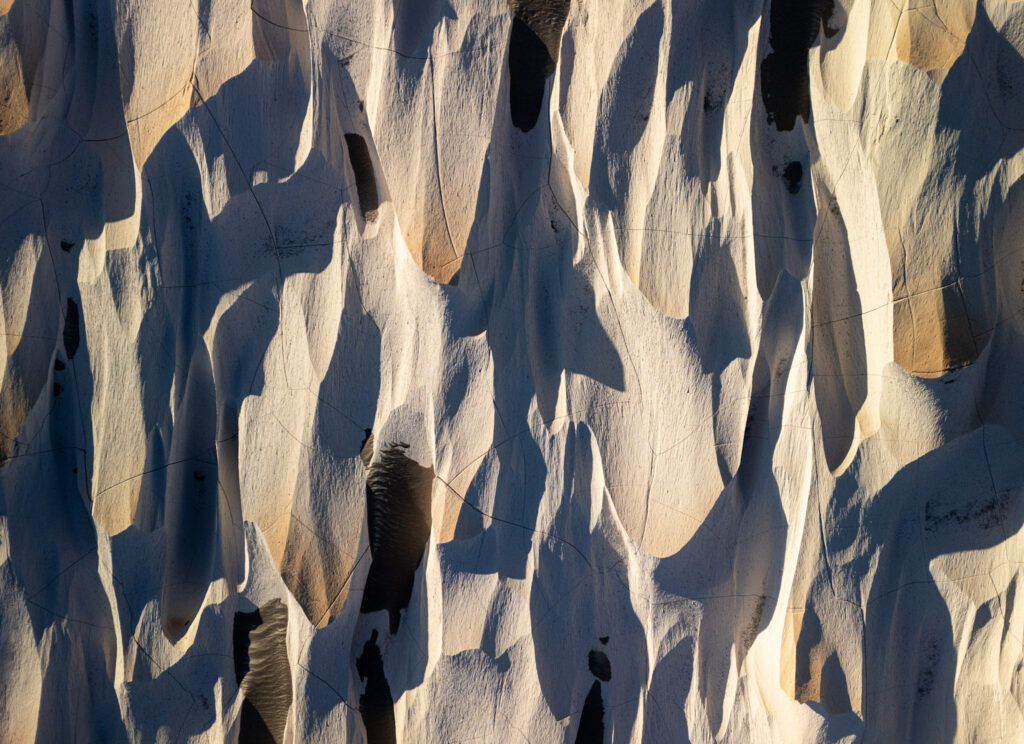
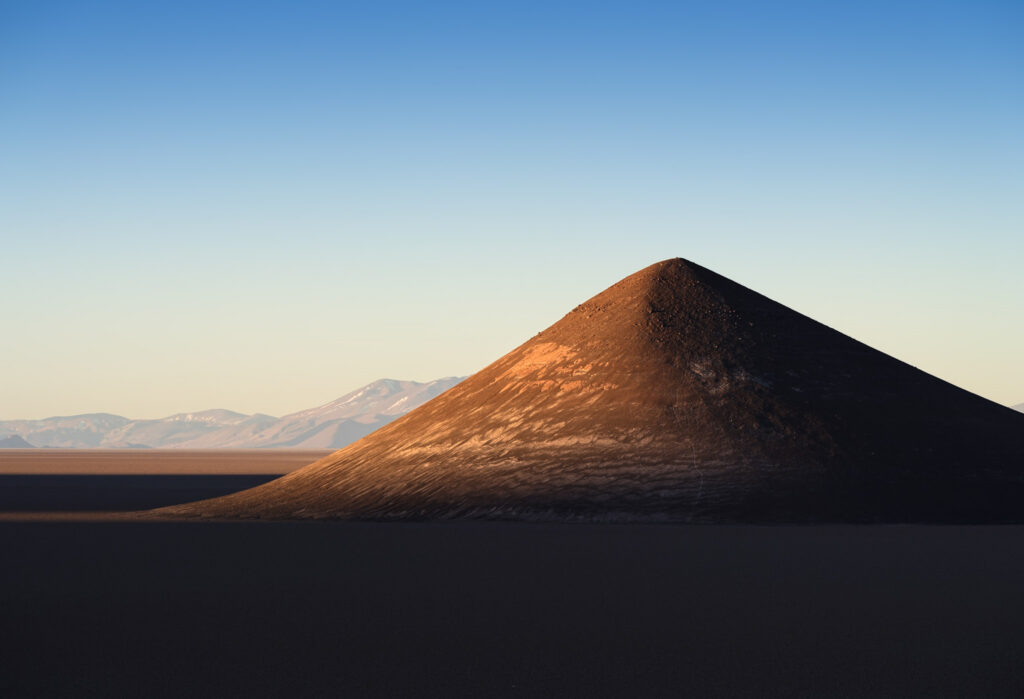
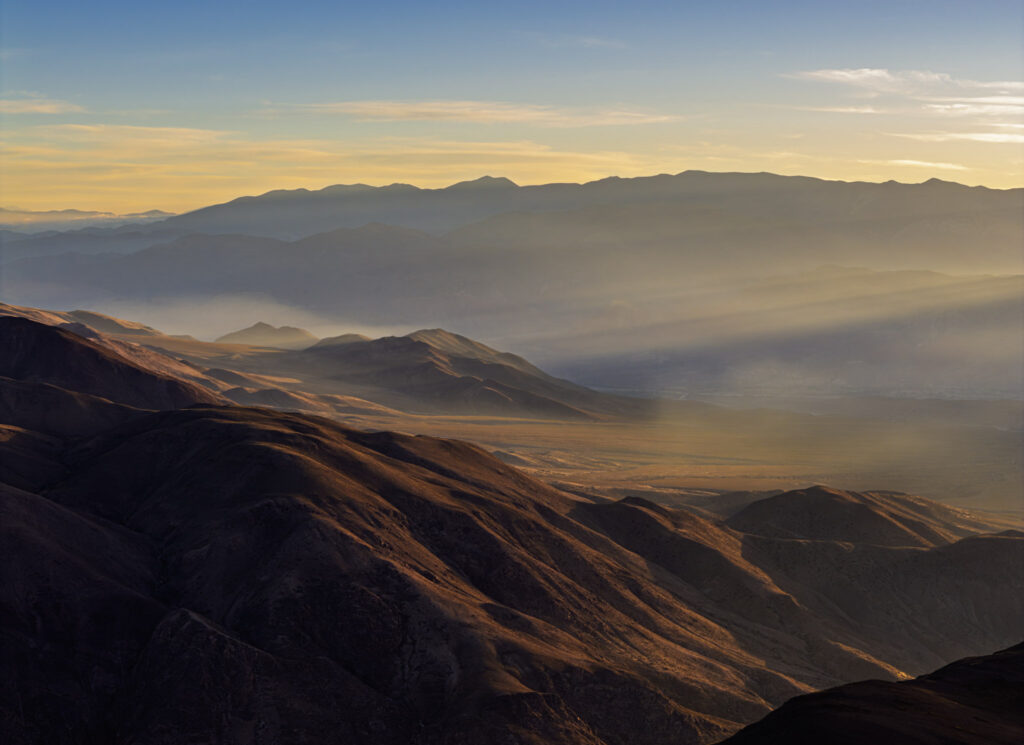
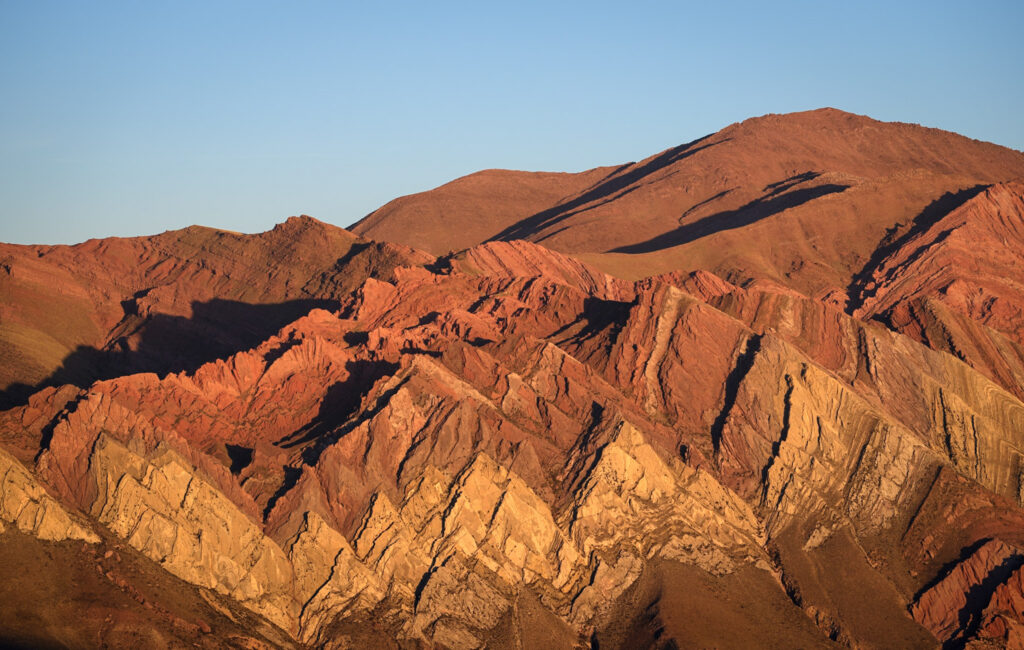
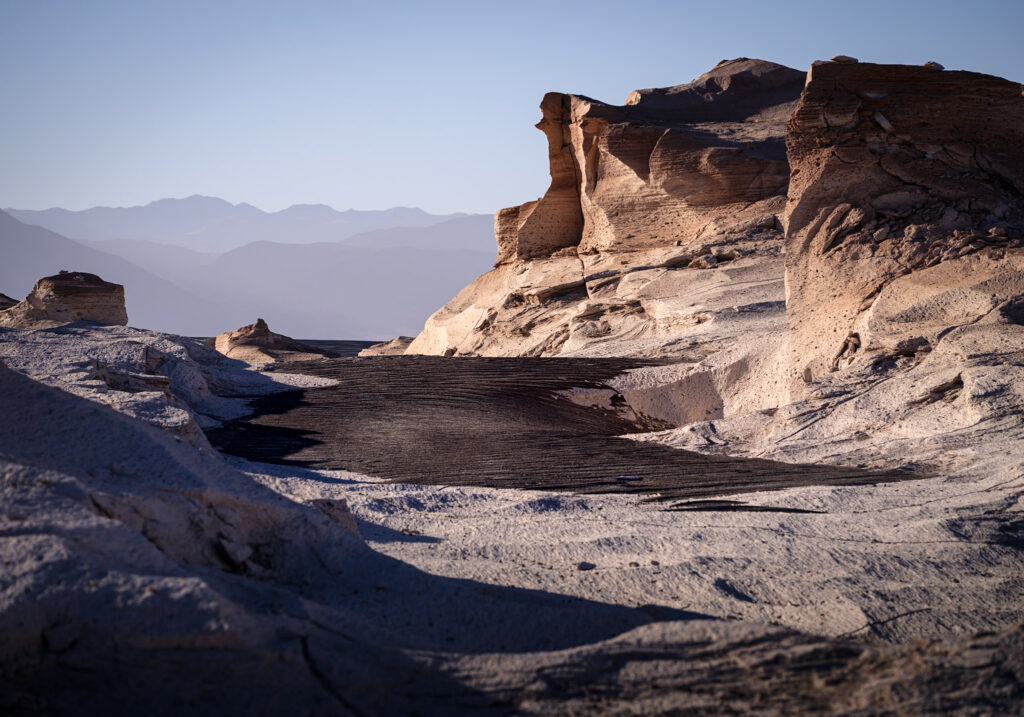
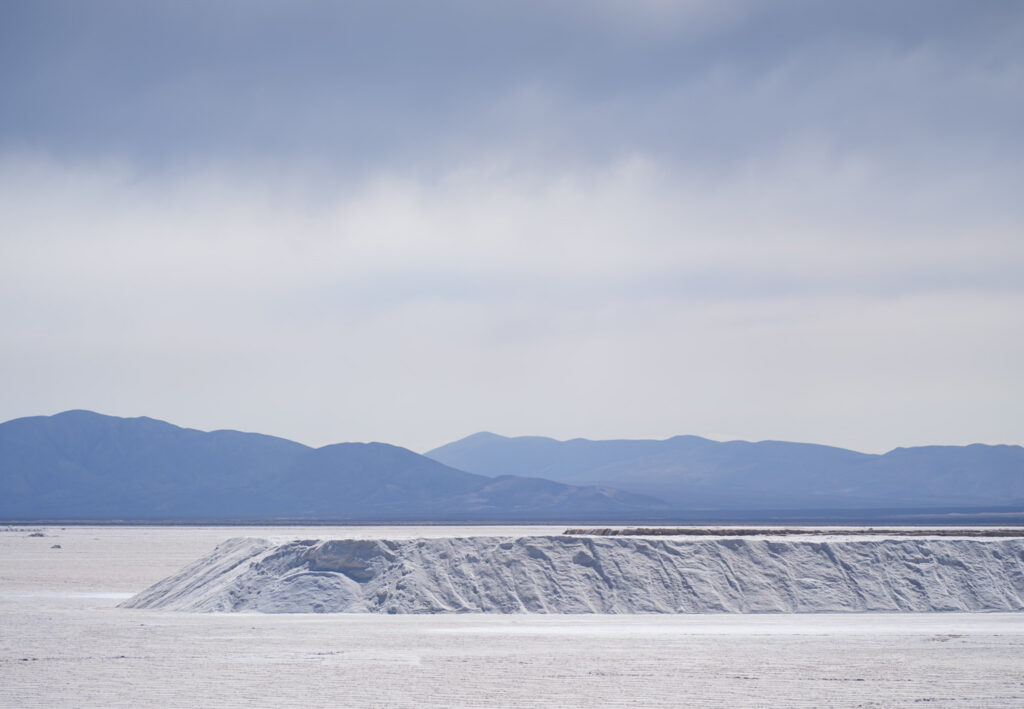
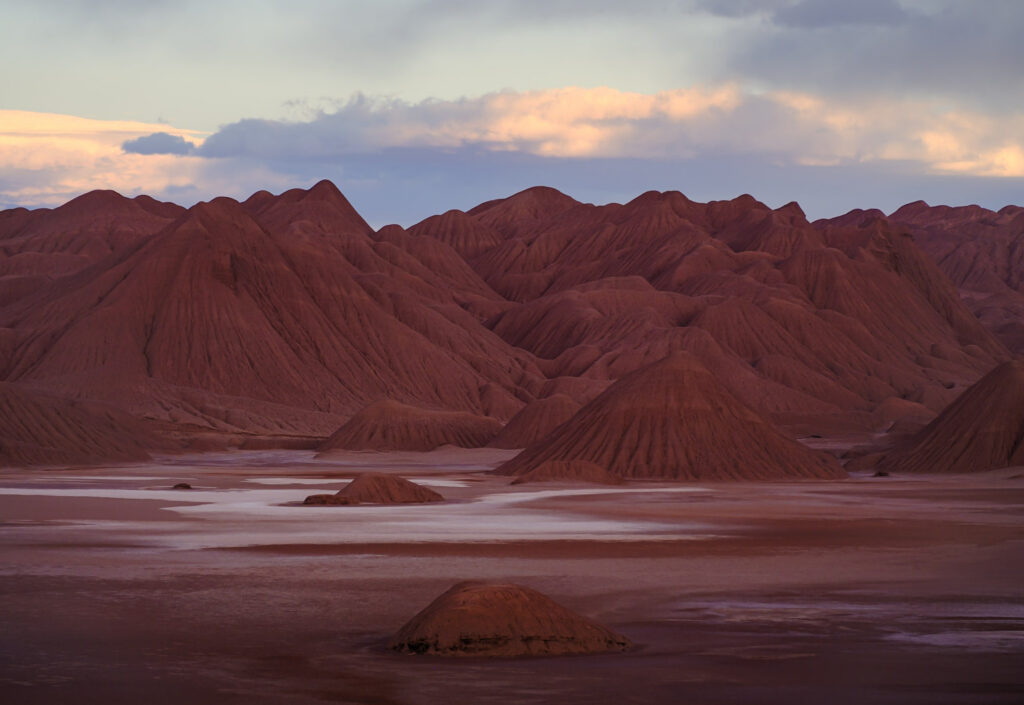
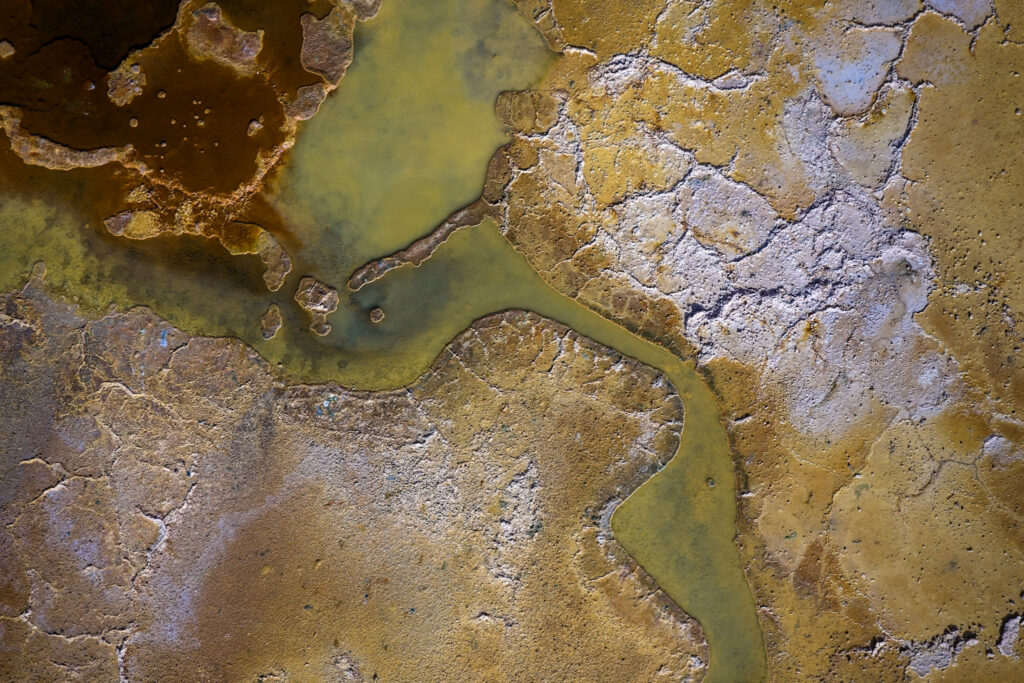
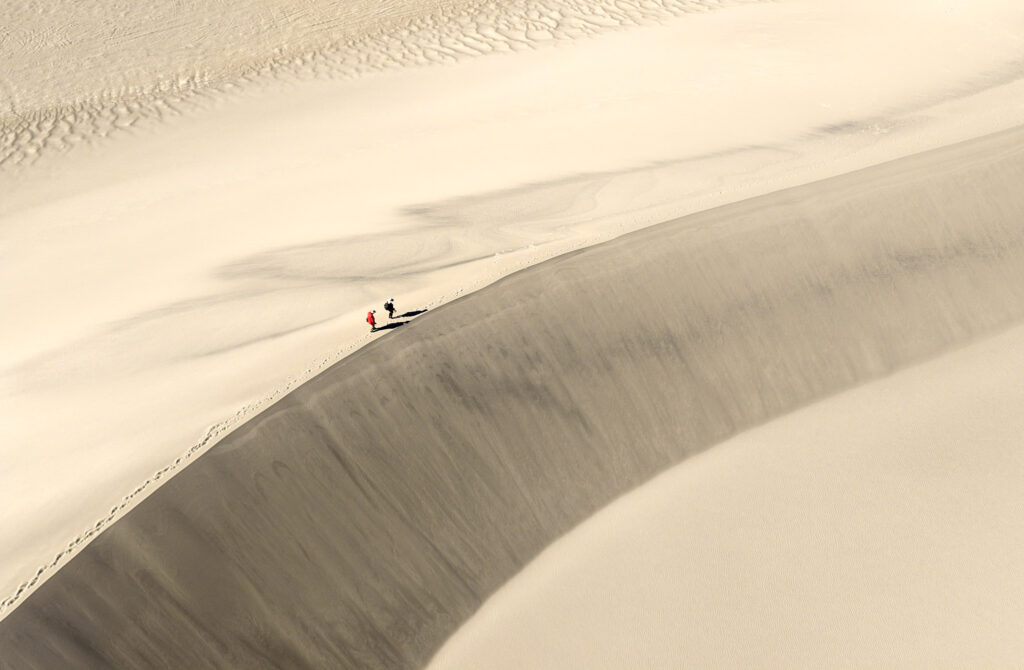
Venture to the remote, otherworldly landscapes of northern Argentina on this immersive photography expedition through La Puna. From Salta’s colonial streets to the high-altitude deserts and volcanic plateaus, this journey offers photographers the chance to capture the region’s dramatic vistas from every angle including the sky. Expansive salt flats, towering volcanic craters, and colorful desert formations provide the perfect playground for drone photography, while each lodge and village stop ensures comfort and local insight. Small group sizes mean personalized guidance and plenty of time to frame the perfect shot, whether from the ground or above.
Beyond the canyons and valleys, La Puna reveals a high-altitude world of astonishing contrasts: jagged volcanic calderas, vast white pumice fields, shimmering crater lakes, and surreal sand dunes that stretch to the horizon. Remote villages like El Peñón and Tolar Grande punctuate the landscape, offering glimpses of local life and culture amid this stark, pristine wilderness. Each day presents new photographic possibilities, from mirror-like lagoons to the vibrant mineral streaks of the desert floor, ensuring that every corner of La Puna provides a fresh, striking perspective for photographers.
(Photographs provided by Daniel Korzeniewski)
Led by Art Wolfe
Assisted by Gavriel Jecan
Limited to 10 participants
Transportation and Accommodation
All meals, lodging, and transportation specified on the itinerary are included. You will be responsible for your flight to and from Martín Miguel de Güemes International Airport located in Salta. You are encouraged to arrive one day prior to the workshop so that there is no worry of flight delays causing any problems.
Itinerary
*This tour is just being finalized now, the itinerary will be adjusted with additional information when it becomes available.
March 11 Salta
Arrive in Martín Miguel de Güemes International Airport located in Salta where you will be met and transferred to the hotel. Check in to the hotel and dinner together with the group.
Our exploration of Salta’s historical landmarks kicks off with iconic sites like the San Bernardo Convent, San Francisco Church, and the lively central square, blending history with vibrant city life. Next, we make our way to the MAAM (Museum of High Mountain Archaeology), a fascinating destination where we delve into the ancient High Mountain Sanctuaries of the Andes, the enduring Inca influence in Salta, and the captivating Pre-Columbian history of South America. The museum offers a unique perspective, showcasing the groundbreaking discovery – recognized by National Geographic, of an Inca sanctuary atop the Llullaillaco Volcano. Amidst our cultural immersion, we’ll stroll through some of the city’s most authentic markets and boutiques, offering a chance to experience the local pulse in true cosmopolitan style.
This all-inclusive tour package covers admission to the MAAM Museum, accompanied by a knowledgeable guide,
ensuring an enriching experience from start to finish.
March 12 Salta – Quebrada de las Conchas – Cafayate
We embark on an exploration of Quebrada de las Conchas, a canyon sculpted over the last 50 million years by vast
deposits of minerals, specifically clay and sandstone, shaped through the patient erosive forces of water and wind.
This geological masterpiece unveils a narrative of a bygone era, where a humid and warm climate dominated the
region, giving rise to an immense lake that, over millions of years, has left behind its mineral vestiges painted across the vibrant mountains.
Nestled amidst the captivating landscapes of the Argentinean Northwest, Cafayate stands as a jewel in the heart of the Calchaquí Valleys. Renowned for its unique blend of natural beauty, viticultural excellence, and cultural charm, this town captivates every visitor. Cafayate is synonymous with vineyards that stretch as far as the eye can see, producing some of Argentina’s finest wines.
The altitude, soil composition, and climate converge harmoniously, creating the perfect terroir for grape cultivation. Visitors can embark on a journey through the lush vineyards, sampling exquisite wines and learning about the meticulous winemaking process. Adding to its allure, Cafayate embraces community-based tourism activities that provide a deeper connection to the local way of life.
March 13 Cafayate – Quebrada de las Conchas – Cafayate
We will cross the imposing Quebrada de las Conchas, also declared a natural heritage of Humanity is a 65 km canyon of sedimentary rock formations from the Mesozoic and Cenozoic eras (90-60 million years). The characteristic red color derives from the presence of ferric oxide in its mineral deposits. The name of the Shells derives from the abundant amount of fossil colonies of seashells, fish and mollusks, testimony to the humid tropical climate that dominated the area in remote times.
March 14 Cafayate – Santa María – Hualfín – El Peñón
Following Route 40 in direction to the south, we will explore one of the most deserted regions of Argentina. In the
morning we’ll visit the archeological site of Quilmes, probably the most interesting Pre Inca Ruins of NW Argentina,
with a dramatic history that gave an end to its ancient population. After Hualfin, the road will start to climb to reach
the Desert Plateau called Puna. Between groups of vicuñas, giant white sand dunes, volcanos and lagoons, we will
reach the Oasis of El Peñón, our starting point for tomorrow’s excursions.
The small village of El Peñón is located in the heart of the unbelievably beautiful Argentine Puna (Andean High Altitude Desert). Is the perfect base to explore wonders like Laguna Grande where thousands of flamingos meet in spectacular surroundings, as well as towering dunes, the vaste Natural Reserve Pumice Stone Field (Campo de Piedra Pomez), the Oasis of Antofalla inhabited by 60 people along one of the most important Salt Flats of South America. The village is also strategically located to go on expeditions to the remote Galán Vulcano and the stunning Peinado Volcano & Lake regions among other hidden gems of the Andean Mountains.
March 15 El Peñón – Volcán & Laguna Carachi Pampa – Campo de Piedra Pómez – Dunas Blancas
Our adventure starts today at the edge of Campo de Piedra Pómez, as we reach the Carachi Pampa basin, in its
margins there is a volcano of the same name, surrounded by black lava fields and a lagoon, where the Andean
flamingo, and the James’ (or puna) flamingo can be found. During the dry season a small salt lake is formed around the lagoon.
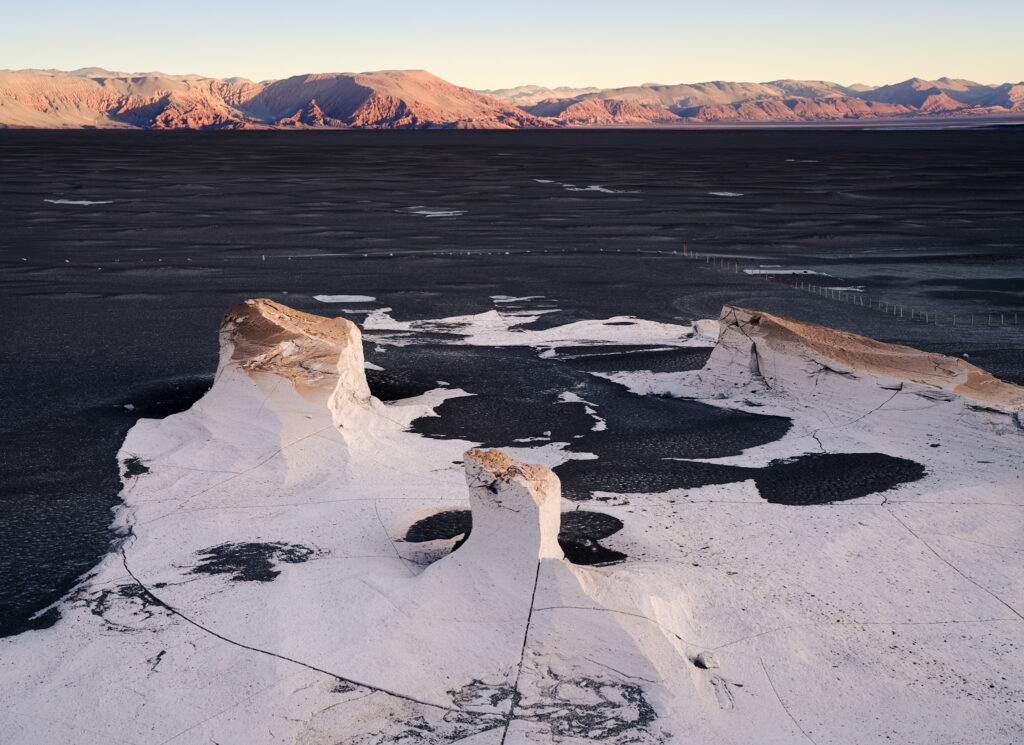
Later, our journey will continue into the Natural Reserve Campo de Piedra Pómez, a strange and stunning landscape carved into the rock that gives rise to its name: The Pumice. Of purely igneous origin, it was produced from a massive explosion of the volcanic stratum. This cloud has spread the ashes and debris in large areas and in different directions, which crystallized by the effects of the temperature giving shape to these wonderful rocks with special features and with plenty of holes produced by the escape of gases during the chilling stage.This degassing phenomenon made the rock very easy to carve by the winds of the Puna, arid and harsh winds that move freely through the region, becoming the best and most prominent Andean rock sculptors.
This strange landscape of white labyrinths and climbing sand dunes is located a few miles to the west, on a track where the path continues through some sand that we could describe as the dream of the explorer, an overlanding adventure. Return to the Hotel, just in time to enjoy stunning sunset views from the village
March 16 El Peñón – Laguna Grande – Cerro Galán Caldera – Laguna Diamante
With an early start, we will drive in direction to Antofagasta de la Sierra as we enter the region of Real Grande, where traces of the first settlements of the Puna can be found in ancient petroglyphs, dated 10000 B.P. and entrance point to Cerro Galán Caldera from the Northwest. Cerro Galán, is one the world’s largest volcanic calderas and greatest of the Andes Mountains, and it is the result of an extreme plinian eruption that occurred 2.2 million years ago. Its identification as a volcanic caldera was performed using satellite photographs, since its elliptical shape is too large to be able to be appreciated from the ground. The Caldera contains a lake in its south western corner, known as Laguna Diamante, which is home to flamingos and ducks, protected from the wind by the walls, in this extremely harsh environment.
Our path will lead us to another high altitude Andean lake, known as Laguna Grande Reserve, a saline lake that sits at an altitude of 4150 meters. During winter, the water freezes completely, but when spring arrives, it becomes the
largest gathering center of the Puna flamingo birds, also called Small Parina, with more than 19,000 birds (25% of the known total population). It is also a place for summer congregation for the Andean flamingo and it is a common nesting site of Southern flamenco. We will drive to El Peñón with the perfect warm light of sunset.
March 17 EL PEÑÓN
This day is open for Art to decide where he wants to take the group.
March 18 El Peñón – Antofagasta de la Sierra – Quebrada de Calalaste – Vega Colorada – Oasis Antofalla & Antofallita – Cono de Arita – Tolar Grande
Antofagasta de la Sierra was the biggest Oasis on the path connecting this side of the Andes with the Oasis of San
Pedro de Atacama (Chile). It is a big village with more than 2,000 people who maintain their ancient traditions and
culture. The valley of Calalaste, just a few kilometers away from Vega Colorada is the best spot to find wild camelids. With wide views over the Antofalla Volcano lays a green field home to llamas, suris (Andean ostrich), wild donkeys and vicuñas.
Antofalla, together with Antofagasta and Santa Rosa, were important stations for llama caravans connecting this part of the Andes with the Oasis of Atacama. The Oasis is located just at the border of the longest salt flat in the world, among red mountains and lava strips. Antofalla is still inhabited by a tiny community of 60 people who are all shepherds. Tolar Grande lies at the border of a giant depression, the Salar de Arizaro, one of the biggest salt flats in the world. From this tiny old railway village built in 1940, there is a unique view over the western ridge of the Cordillera, an infinite skyline of volcanoes higher than 6,000 meters.
March 19 Tolar Grande
The schedule is open for Art to decide what he would like to do.
March 20 ATolar Grande – Desierto del Laberinto – San Antonio de los Cobres – Salinas Grandes – Purmamarca
The morning in Tolar Grande unfolds with opportunities for breathtaking short hikes, including a must-visit to the Hidden Sand Dune, providing a 360° panorama from Sacred Macon Mountain to Llullaillaco Volcano. Our journey proceeds to Ojos de Mar, small salt formations with aquamarine lakes harboring ancient stromatolite bacteria colonies. Crossing the Labyrinth Desert, a 10-million-year-old dune landscape, we ascend to Abra Chorrillos at over 4,500 m, where we explore the cultural significance of the Apacheta in Andean culture. San Antonio de los Cobres welcomes us, a quiet, high-altitude village and the starting point of the renowned Tren a las Nubes.
Continuing on Route 40, we pause at La Juguetería, a captivating rock formation resembling dice on a gaming board, formed by a volcanic eruption. Susques, a historic town with pre-colonial roots, precedes our journey to Salinas Grandes, Argentina’s whitest salt flats, surrounded by volcanoes. We marvel at the vast salt expanse and capture perspective-defying photos. Descending the Cuesta de Lipan, the highest point of our route, we enjoy the best view of the Eastern Cordillera of the Andes. As the sun sets, we reach Purmamarca, famed for its Cerro de Siete Colores.
March 21 Purmamarca at leisure
This is another day that has been left open for Art to decide after accessing the previous days photo sessions and options.
March 22 Purmamarca – Jujuy – Salta
Return to Salta from the Humahuaca Valley, driving through the small towns of Jujuy at the limit with Salta.
March 23 Salta Out
Private Transfer from Hotel to Salta Airport
End of tour